Mastek Intelligent Packing Machinery (Suzhou) Co., Ltd
- +86 512 8781 7868
- export@mastekpack.com



Mastek Intelligent Packing Machinery (Suzhou) Co., Ltd
The Latest Trends in Intelligent Packing Machinery are reshaping how manufacturers handle inspection, packing, changeovers, maintenance, and production data. Modern systems combine AI-powered packaging automation, robotics, machine vision, IoT connectivity, and predictive maintenance to improve measurable operating results. In this guide, I explain the technologies that are already practical in 2026, the investment conditions they require, and how manufacturers can select equipment for food, beverage, pharmaceutical, e-commerce, and industrial packaging.
Intelligent packing machinery is automated packaging equipment that can sense operating conditions, adjust machine settings, record production data, and respond to defined process changes. Unlike a conventional machine that mainly repeats fixed movements, an intelligent system connects sensors, controllers, software, inspection devices, and production databases. An Automatic Packing Machine may therefore become part of a larger packaging line that includes robotic handling, machine vision, pallet wrapping, strapping, MES, ERP, or WMS communication.
The practical value depends on measurable functions rather than the word “intelligent.” A machine should identify a fault, record the event, support a controlled adjustment, and provide data that operators can use. I normally evaluate the system through changeover time, unplanned downtime, reject rate, inspection coverage, labor hours per production unit, OEE, energy consumption, and integration effort.
The latest intelligent packing machinery trends combine sensing, software, robotics, and flexible mechanical design. The most practical systems improve measurable indicators such as downtime, changeover duration, reject rate, labor allocation, or material consumption. The following seven trends are already relevant to manufacturers planning equipment purchases in 2026:
An intelligent packing line begins with sensors that collect information about product position, film tension, temperature, pressure, motor load, speed, package dimensions, and machine alarms. A PLC or industrial controller processes these signals and coordinates conveyors, sealing systems, strapping heads, wrapping units, robots, and safety circuits. When the system records production counts and downtime reasons, managers can compare planned output with actual output instead of relying only on operator observations.
The quality of data determines the value of the system. I recommend defining standard event codes for stoppages, rejected products, material changes, maintenance actions, and operator interventions before connecting the equipment to factory software. A useful starting target is at least 95% completeness for production counts and downtime records during a pilot period.
Recipe management allows operators to select approved settings for different products, package dimensions, films, cartons, straps, or pallet patterns. The machine can then load parameters such as conveyor speed, sealing temperature, strap tension, wrapping cycles, and inspection tolerances. This approach reduces manual data entry and helps manufacturers manage SKU proliferation without rebuilding the entire line for each product.
Automatic adjustment should remain controlled by defined limits. For example, a system may adjust sealing temperature within an approved range, but it should stop and request authorization when measurements move outside the validated process window. This distinction is important in pharmaceutical packaging, food production, and other operations where traceability and process validation are required.
AI-powered packaging automation is most useful when it supports a defined production decision. It can classify package defects, identify recurring stoppage patterns, estimate maintenance conditions, recommend speed adjustments, and compare performance across shifts or product recipes. AI should not be treated as an independent replacement for process engineering; it requires clean data, stable sensors, and clear rules for operator approval.
For a practical implementation, I would begin with one measurable use case, such as minor-stop classification or visual defect detection. The manufacturer can compare baseline performance with the pilot using OEE, reject rate, unplanned downtime, and labor hours per 1,000 packages. A pilot should also record false alarms and missed defects, because an AI model that creates excessive alerts may reduce productivity even when its theoretical accuracy is high.
The business case is strongest where the same packaging task repeats across multiple shifts or production lines. Food manufacturers may apply AI to seal and label inspection, while e-commerce operations may use it to select carton sizes or detect loading errors. Pharmaceutical applications require additional validation, audit trails, access controls, and documented change management.
Machine vision in packaging uses cameras, lighting, image-processing software, and defined inspection rules to evaluate products at production speed. Typical applications include barcode reading, expiration-date verification, label alignment, cap presence, seal inspection, carton orientation, package count, and pallet-pattern confirmation. The inspection result can trigger rejection, line stopping, data recording, or a request for operator review.
A successful system requires more than a camera. Lighting must remain stable, the camera must be positioned for the defect being inspected, and acceptance tolerances must be documented before commissioning. I recommend measuring detection performance with known good and defective samples, reporting false rejects and missed defects separately, and reviewing results by SKU rather than using one general accuracy number.
Machine vision is especially valuable where manual inspection is repetitive, difficult to audit, or exposed to fatigue. However, it may perform poorly when reflective materials, transparent films, variable lighting, or poorly printed codes are not addressed during design. Manufacturers should include sample testing, lighting trials, data storage requirements, and maintenance access in the equipment specification.
Predictive maintenance for packing machines combines sensor data, operating history, alarm records, and maintenance work orders. The system may monitor motor temperature, vibration, air pressure, cycle counts, sealing performance, strap-head activity, or conveyor load. Instead of servicing every component only according to a fixed calendar, maintenance teams can prioritize equipment showing measurable changes from its normal operating pattern.
The first maturity level is condition monitoring, where the machine displays alarms and sensor readings. The next level adds historical trends and maintenance alerts, while a more advanced system estimates the probability of a failure within a defined operating window. I recommend starting with components that cause the most lost production time and setting a target such as a 10% reduction in unplanned downtime during the first six-month review period.
Connected equipment must also address cybersecurity and data governance. Manufacturers should define user roles, password policies, network segmentation, backup procedures, remote-access rules, and ownership of machine data. Integration with MES, ERP, WMS, and factory-wide systems should use documented interfaces, consistent equipment names, synchronized timestamps, and agreed data fields.
Flexible packing machinery is becoming more important because manufacturers are managing more product variants, shorter production runs, and frequent packaging changes. A machine designed for one fixed format may deliver stable output but become inefficient when product dimensions, carton sizes, films, or pallet patterns change several times per shift. Intelligent equipment addresses this through servo-driven adjustments, recipe control, tool-less format changes, guided setup screens, and automatic parameter verification.
I evaluate flexibility through four operational questions: how many formats can the machine support, how long does a validated changeover take, how many manual adjustments are required, and how much material is consumed during startup? A reasonable project target may be a 20–40% reduction in changeover duration, but the actual result depends on product geometry, sanitation requirements, operator training, and the number of components that must be changed.
Robotic packing systems for warehouses and end-of-line operations can also reduce exposure to labor shortages. Robotic case packing, palletizing, wrapping, and strapping are most suitable when product presentation is consistent and safety controls are properly designed. Manufacturers should calculate labor savings together with robot programming, guarding, maintenance, integration, and training costs rather than comparing only the purchase price.
Sustainability-focused equipment must process the materials that a manufacturer actually intends to use. This may include recyclable films, thinner films, paper-based substrates, mono-material structures, reduced-gauge wrapping materials, or alternative carton grades. A machine that accepts one material but creates excessive waste during startup may not deliver the expected environmental improvement.
The equipment specification should include material thickness ranges, sealing windows, tensile behavior, static characteristics, package protection requirements, and allowable startup waste. I recommend tracking material consumption per finished package, rejected-material weight, energy per production unit, and the percentage of recyclable material successfully processed. These measures provide a clearer comparison than general sustainability claims.
Sustainable packaging machinery may require upgraded tension control, sealing systems, film handling, software recipes, or inspection settings. Thin films can increase the risk of tears, wrinkles, and unstable wrapping, while paper-based materials may require different folding, compression, or adhesive conditions. Testing should therefore cover a representative production run rather than a short demonstration using one sample roll.
Manufacturers can reduce project risk by progressing through clear maturity levels instead of purchasing every technology at once.
| Maturity level | Main capability | Typical KPI focus | Deployment prerequisite |
|---|---|---|---|
| Basic automation | Automatic forming, sealing, wrapping, strapping, or conveying | Output per hour and labor hours | Stable mechanical process and safety controls |
| Connected automation | Sensors, alarms, production counters, and dashboards | OEE, downtime, reject rate | Consistent event codes and network access |
| Predictive automation | Condition monitoring and maintenance alerts | Unplanned downtime and maintenance response time | Historical sensor and work-order data |
| Assisted intelligence | AI recommendations, vision classification, and recipe control | Minor stops, false rejects, changeover time | Clean data and validated operating limits |
| Autonomous optimization | Closed-loop adjustments and digital-twin simulation | Total cost per unit and sustained OEE | Strong governance, cybersecurity, and validated models |
Most manufacturers should begin with the level that addresses their largest measurable loss. A factory with frequent breakdowns may gain more from connected maintenance data than from an advanced AI model. A high-SKU operation may prioritize recipe control and guided changeovers before adding autonomous adjustment.
Intelligent machinery creates more value when it fits the existing production architecture. Equipment should exchange production orders, SKU identifiers, quantities, quality results, maintenance events, and status information with MES, ERP, WMS, and line-control systems. During supplier evaluation, I ask for communication protocols, data dictionaries, interface examples, cybersecurity controls, and a clear list of functions that remain local to the machine.
Digital twin technology in packaging can help engineers test line layouts, buffer sizes, robot reach, cycle times, and changeover sequences before physical installation. It is most useful when the model is based on actual machine constraints and verified production data. A digital twin created without accurate cycle times, downtime behavior, or material handling conditions may provide a visually convincing but operationally weak result.
Integration also affects total cost of ownership. A lower-priced machine may require custom middleware, additional sensors, manual data reconciliation, or costly interface work. I recommend including hardware, software, commissioning, training, cybersecurity review, spare parts, validation, and five-year support in the investment comparison.
Different industries should prioritize different intelligent packing machinery trends. The right choice depends on product risk, production volume, SKU variation, inspection requirements, and the cost of downtime.
| Industry | Highest-priority trends | Key KPIs |
|---|---|---|
| Food manufacturing | Machine vision, flexible recipes, material control, predictive maintenance | Reject rate, changeover time, material waste, OEE |
| Beverage production | High-speed inspection, robotic palletizing, connected line monitoring | Containers per hour, unplanned stops, pallet accuracy |
| Pharmaceutical packaging | Validated vision, traceability, controlled recipes, audit trails | Batch accuracy, false rejects, deviation rate, downtime |
| E-commerce fulfillment | Robotic handling, carton selection, WMS integration, flexible automation | Orders per hour, labor hours, carton utilization |
| Plastic and industrial packaging | Strapping, wrapping, tension control, predictive maintenance | Package stability, material usage, maintenance time |
For manufacturers with several packaging formats, flexible equipment and recipe management may deliver faster returns than advanced AI. For operations with strict inspection requirements, machine vision and data traceability should be evaluated first. For high-volume lines, even short interruptions can justify connected monitoring when the baseline loss is documented.
I recommend using a structured selection process based on production evidence rather than supplier claims. First, document current output, SKU count, changeover frequency, reject causes, downtime categories, labor allocation, material consumption, and available network infrastructure. Then rank the losses by annual cost and identify which technology directly addresses each loss.
Ask suppliers to demonstrate the actual materials, package sizes, speeds, inspection conditions, and changeover sequence required in your factory. For an Automatic Packing Machine, the acceptance test should define output rate, package quality, reject handling, alarm behavior, data records, safety performance, and recovery after a controlled stop. A demonstration using a different product or material is not sufficient evidence for a production decision.
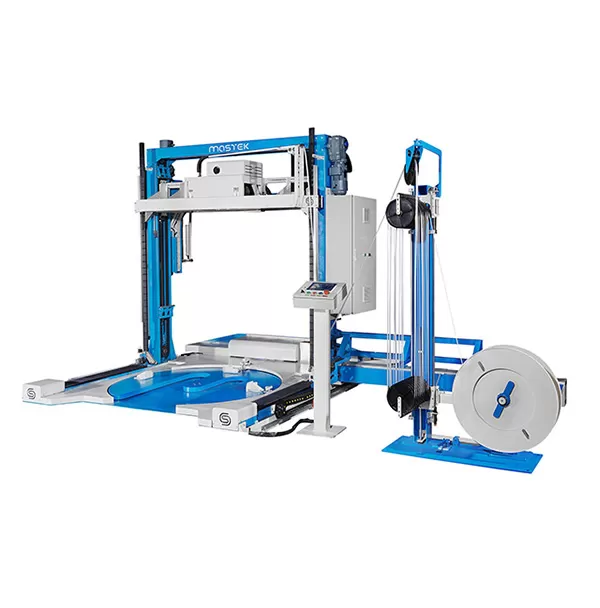
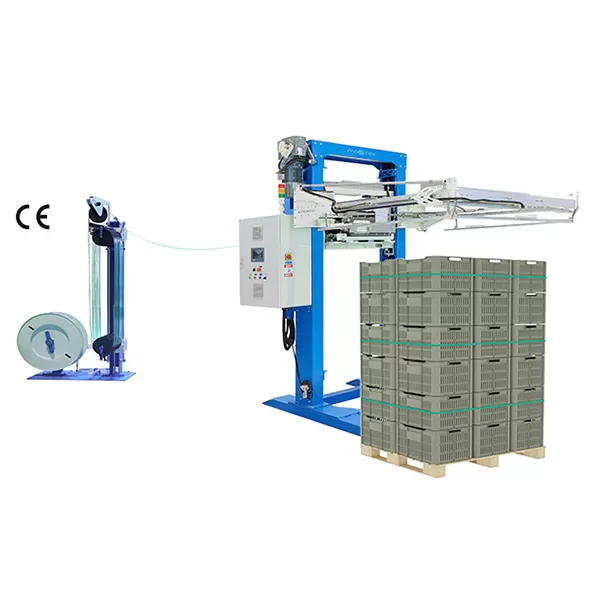
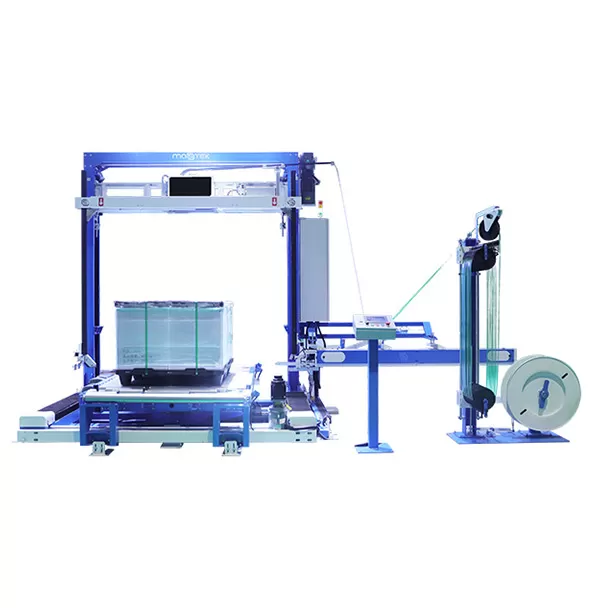
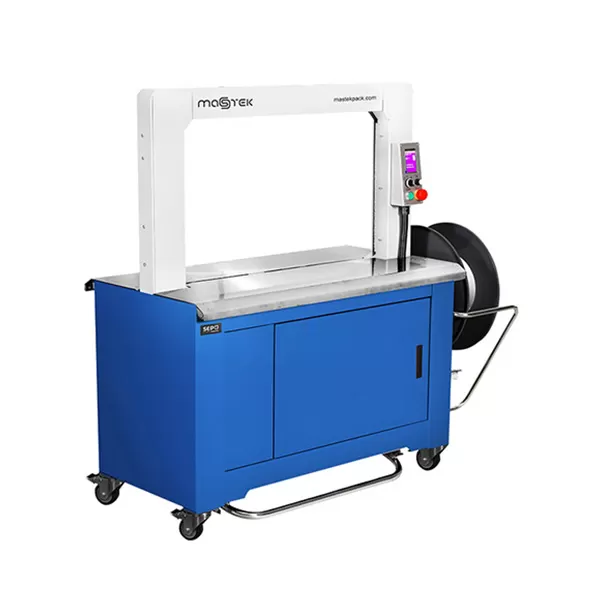
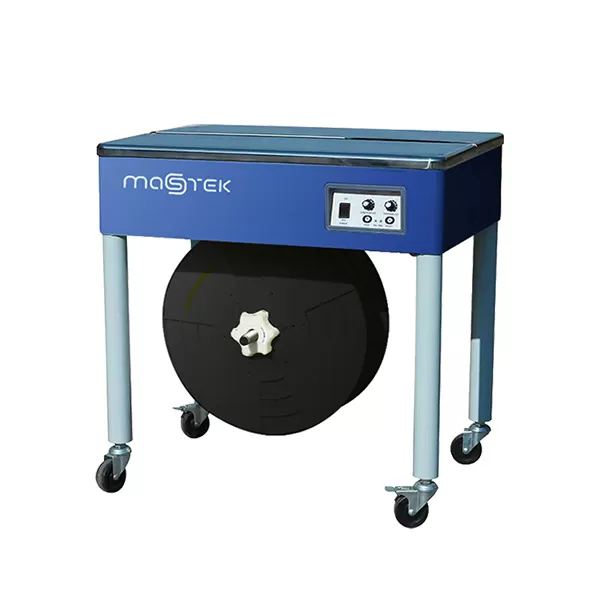
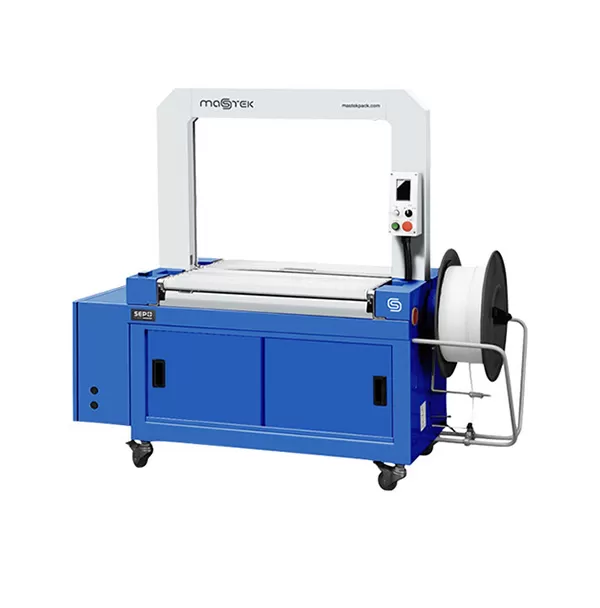
Mastek is a relevant example of a supplier focused on intelligent strapping machines, carton erectors, pallet wrapping equipment, and packaging automation solutions. Its product range includes automatic strapping and wrapping systems, vertical and horizontal pallet strapping machines, carton equipment, and related strapping heads. The company states that its equipment has been used across more than 30 countries and regions, with project examples involving pallet strapping lines and multiple-machine installations.
The final commercial review should compare purchase cost, installation, integration, training, spare parts, service response, energy, material usage, and expected downtime reduction. I would approve a project only after the supplier provides a measurable baseline, a deployment schedule, a data-integration plan, and a defined acceptance test. This approach makes the investment easier to evaluate across small businesses, high-volume manufacturers, and multi-site operations.
The Latest Trends in Intelligent Packing Machinery are centered on practical improvements in automation, inspection, flexibility, maintenance, sustainability, and production visibility. AI, machine vision, IoT connectivity, predictive maintenance, robotics, and digital twins can support better results, but each technology requires appropriate data, process stability, operator training, and system integration. The most suitable project is not necessarily the one with the most advanced software; it is the one that addresses the largest verified production loss.
I recommend that manufacturers begin with a baseline covering OEE, changeover duration, reject rate, downtime, labor hours, material usage, and energy consumption. Next, select one pilot application, define its acceptance criteria, and connect the equipment to the systems that production and maintenance teams already use. By progressing from basic automation to connected, predictive, assisted, and eventually autonomous operations, manufacturers can control investment risk while building a measurable path toward more capable intelligent packing machinery.