Mastek Intelligent Packing Machinery (Suzhou) Co., Ltd
- +86 512 8781 7868
- export@mastekpack.com



Mastek Intelligent Packing Machinery (Suzhou) Co., Ltd
The terms Box Packing Machine and carton packing machine are often used interchangeably, but they can describe different packaging processes. In practical manufacturing, the distinction depends on whether the machine loads products into individual retail cartons, groups products into larger shipping cases, or closes a container that has already been filled. I use package level, product format, loading method, throughput, and distribution requirements to separate these equipment categories.
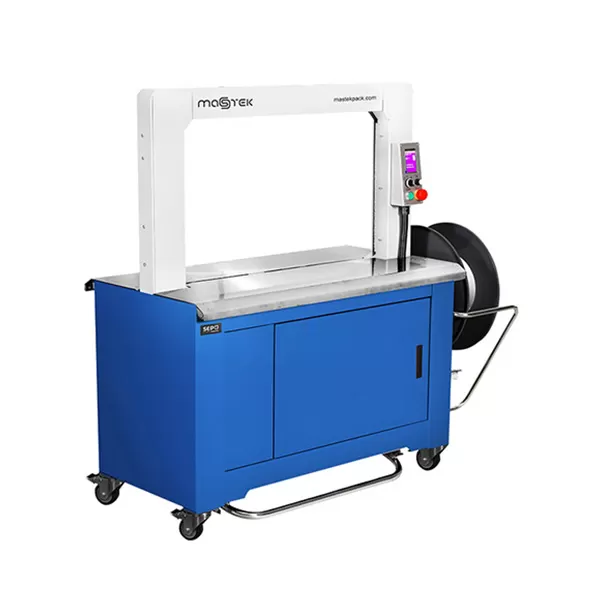
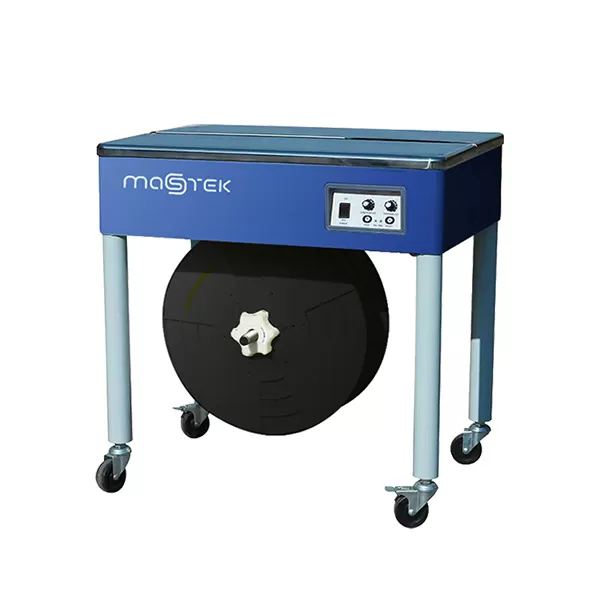
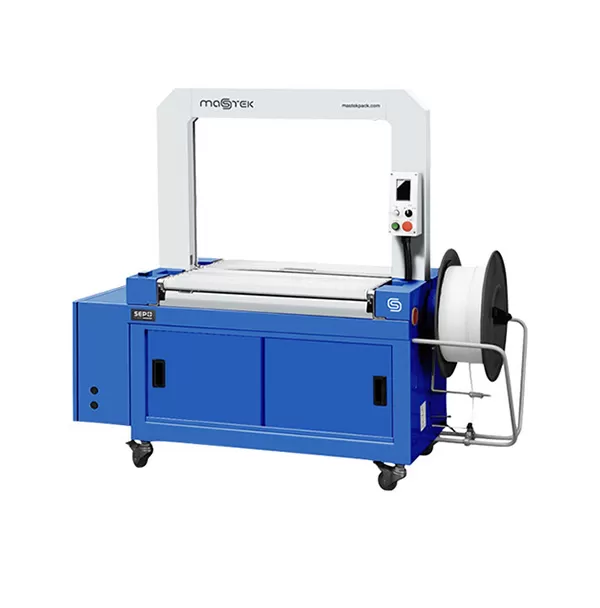
Mastek is an example of a packaging equipment supplier associated with carton erectors, strapping systems, pallet equipment, and integrated packaging automation. That product range is relevant because many manufacturers do not purchase one isolated machine; they build an end-of-line system that may include carton forming, product loading, sealing, strapping, wrapping, and pallet handling.
Cartoning places individual products or product groups into retail cartons, while case packing groups products or completed cartons into larger shipping cases. A carton sealing machine closes an already loaded carton or case but does not necessarily load the product. The correct machine depends on the package’s role, the product arrangement, and where the equipment sits in the packaging line.
| Comparison factor | Cartoning or carton packing | Case packing or box packing | Carton sealing |
|---|---|---|---|
| Typical input | Individual products, pouches, bottles, trays, or inserts | Products, retail cartons, bundles, or multipacks | An erected and loaded carton or case |
| Typical output | One retail carton containing a defined product quantity | One shipping case containing multiple products or cartons | A closed retail carton or shipping case |
| Package level | Primary or secondary retail packaging | Secondary or tertiary distribution packaging | Closing operation at either package level |
| Main purpose | Presentation, protection, counting, and retail handling | Transport efficiency, grouping, and warehouse handling | Secure closure and package integrity |
| Common machine position | After filling or product preparation | After cartoning, bundling, or product accumulation | After loading and before downstream handling |
A carton packing machine generally forms or loads individual cartons around products. A box packing machine may refer to a case packer that places products or finished cartons into larger corrugated boxes for shipment. However, suppliers do not use these terms consistently, so I always verify the machine’s input, output, carton dimensions, loading pattern, and sealing method before comparing quotations.
The word “box” can describe a retail folding carton, a corrugated shipping case, or a rigid container. The word “carton” can also refer to either a paperboard retail package or a corrugated transport container. For that reason, the equipment specification is more reliable than the product name used in a catalog or search result.
Cartoning is the process of placing a product or a controlled group of products into an individual carton. A cartoner may open a flat blank, form the carton, insert the product, add a leaflet or accessory, and close the carton with tuck flaps, glue, or another closure. Cartoning is common in food, cosmetics, pharmaceuticals, household products, and consumer goods where each unit requires a defined retail package.
Case packing occurs later when products or completed retail cartons are grouped into a larger corrugated case. A case packing machine can use vertical loading, horizontal loading, robotic picking, wraparound case formation, or drop packing, depending on product shape and case design. Its main output is a transport unit intended for storage, palletizing, and distribution rather than direct retail presentation.
Carton sealing is a separate operation. A carton sealing machine applies adhesive tape, hot-melt glue, pressure-sensitive tape, or another closure to an already formed and loaded container. It may be installed after a case packer, after manual loading, or as part of an integrated end-of-line system, but it does not automatically perform every loading or forming task.
When “box packing machine” means a case packing machine, the process usually starts with product accumulation. Conveyors or sensors collect the required number of units, then a timing system creates the selected packing pattern. The machine forms or presents a case, loads the product group, and transfers the filled case to a sealing or downstream handling station.
Loading may be performed through side insertion, top loading, robotic picking, vertical dropping, or wraparound case formation. I assess the loading method against product fragility, orientation, surface finish, weight, and the required case pattern. A rigid bottle may tolerate a different loading motion from a flexible pouch, glass container, electronics product, or retail carton.
The advertised speed is only one part of the evaluation. Actual output is reduced by product accumulation gaps, case blank changes, rejects, sensor stops, operator intervention, changeovers, downstream congestion, and line balancing. A useful production estimate should separate rated cycles per minute from sustained good cases per hour after these losses are measured.
A cartoning machine usually begins with carton blanks stored in a magazine. A suction or mechanical pickup removes a blank, forms it into an open carton, and transfers it through a product loading section. The machine then closes the carton and may apply glue, lock tabs, insert leaflets, or perform code verification before discharge.
Product loading can be intermittent or continuous. Intermittent machines stop the carton or product group during insertion and may support a wider range of carton sizes, while continuous systems maintain product movement for higher output when the product presentation is consistent. The choice depends on product geometry, carton dimensions, required changeover frequency, and the number of packaging formats.
A cartoner is not automatically the same as a case packer. A cartoner creates an individual carton around a product, whereas a case packer groups multiple products or cartons into a larger shipping container. Some production lines use both machines in sequence, followed by carton sealing, coding, palletizing, and wrapping.
The following matrix connects the product format, package role, loading pattern, and recommended machine type. I use this approach before requesting quotations because it prevents a machine from being selected solely by a general label such as “automatic box packing equipment.”
| Product or packaging condition | Package role | Preferred equipment | Main reason |
|---|---|---|---|
| One bottle, pouch, or product set per retail carton | Retail packaging | Cartoner or carton packing machine | Forms, loads, and closes individual cartons |
| Multiple retail cartons per corrugated case | Shipping packaging | Case packing machine | Groups cartons into a distribution unit |
| Loose products arranged directly in a shipping box | Shipping packaging | Top-load, side-load, or robotic case packer | Loads products according to the case pattern |
| Erected case already filled by an operator | Closure only | Carton sealing machine | Applies tape, glue, or another closure |
| Flat corrugated blanks requiring forming and closure | Shipping packaging | Carton erector and sealing machine | Builds cases before or after manual loading |
| High product variation with frequent format changes | Flexible secondary packaging | Servo cartoner, robotic case packer, or modular line | Supports recipe control and controlled changeovers |
| Heavy or fragile products for distribution | Shipping packaging | Product-specific case packing system | Controls impact, orientation, and case support |
A carton erector machine takes flat corrugated blanks and forms them into open cases. Depending on the configuration, it may fold bottom flaps and apply tape or hot-melt adhesive before the case moves to a loading station. It prepares the container but normally does not place the product inside it.
A packing machine performs the loading function, although some case packers also form and close the case. This distinction matters when building a line because buying an erector alone does not solve product grouping or loading. I check whether the proposed equipment includes blank forming, product accumulation, loading, top closure, sealing, and discharge, or whether these functions must be purchased separately.
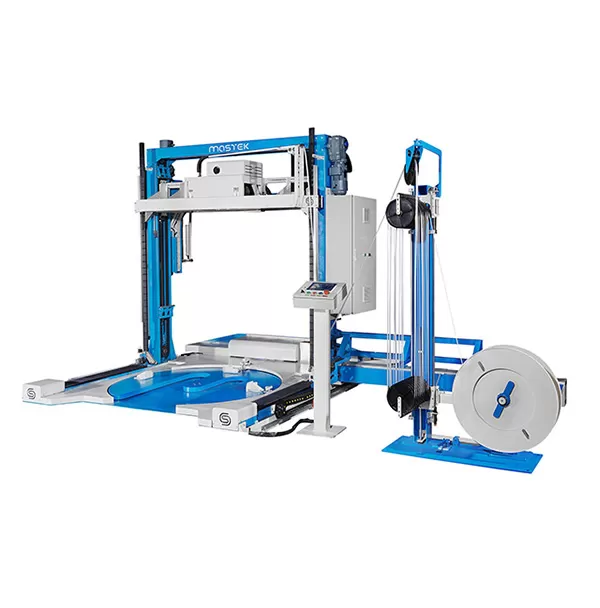
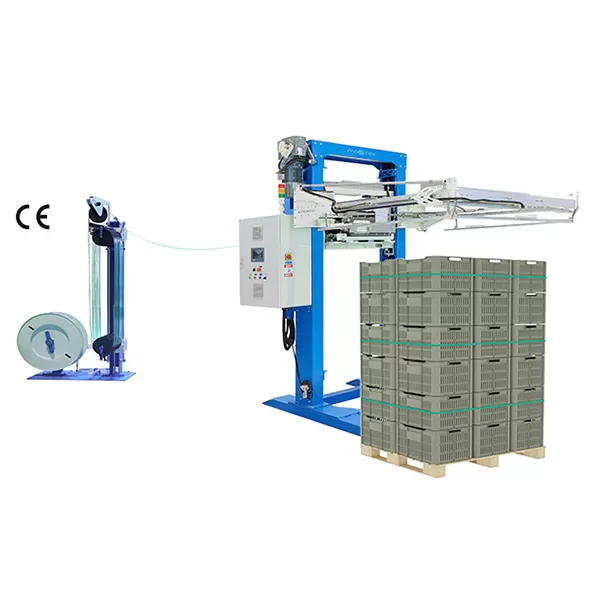
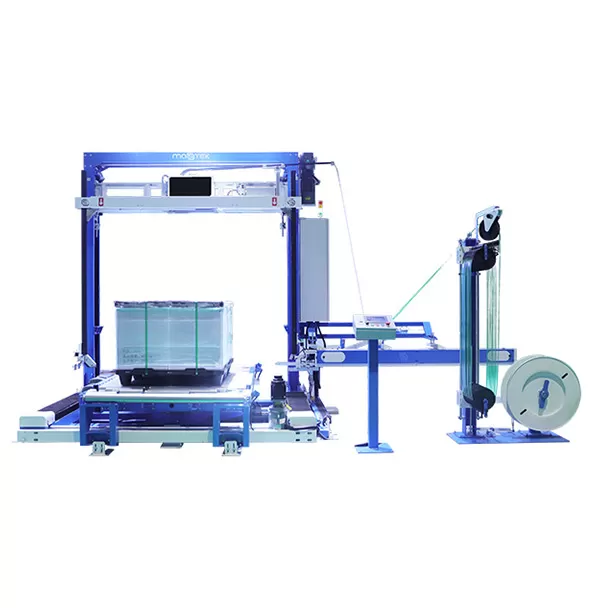
Mastek’s product range illustrates why equipment categories should be checked at the functional level. A supplier may offer carton erection and sealing equipment alongside strapping and pallet packaging systems, while a different supplier may focus primarily on cartoning or case packing. The buyer should compare the complete line function rather than assume that all machines described as packing machines perform the same operation.
In many supplier conversations, “case packing machine” is the more precise term for equipment that loads shipping cases. “Box packing machine” is broader and may describe a case packer, a box former, a carton loader, or an end-of-line machine that closes filled boxes. For procurement, I ask suppliers to state the exact package type, material, internal dimensions, loading orientation, and closure method.
A case packer is usually selected for predictable grouping and distribution efficiency. It can reduce manual handling when the production line must create hundreds or thousands of consistent shipping cases per shift. A box packing machine may be suitable for smaller operations if it combines forming, loading, and sealing, but the required level of automation should be tied to actual volume and labor availability.
The distinction is particularly important when the carton itself functions as the shipping unit. Some eCommerce products ship in the same corrugated carton that contains the product, so there may be no separate retail carton and case. In that situation, a box-forming, product-loading, and sealing line may be more appropriate than a cartoner followed by a case packer.
For high-volume production, I compare sustained good output rather than the maximum cycle speed printed in a brochure. A machine rated for a specific number of cycles per minute may deliver less usable output once rejects, blank replenishment, changeovers, product gaps, and downstream stoppages are included. The supplier should provide a defined test condition, product format, case size, staffing assumption, and acceptance target.
Flexibility is measured through actual format requirements. Important variables include product dimensions, carton length and width, case height, number of products per case, loading pattern, glue or tape type, and changeover procedure. A machine that handles ten formats but requires extended manual adjustment may be less suitable than a machine handling six formats with repeatable recipe-based changeovers.
Automatic packaging equipment also requires line-level planning. Conveyors, buffers, product accumulation, inspection sensors, reject handling, coding, carton sealing, strapping, pallet wrapping, and warehouse transfer must be considered together. A fast case packer connected to a slow sealer can create a bottleneck, while insufficient accumulation space can cause repeated stops even when each individual machine is correctly sized.
I recommend preparing a machine-selection checklist before comparing suppliers. The checklist should include product samples, retail carton drawings, corrugated board grade, case dimensions, acceptable loading patterns, target good output, utilities, floor space, operator access, safety requirements, and cleaning expectations. It should also identify whether the line will use tape, hot-melt adhesive, tuck flaps, strapping, or a combination of closures.
Sample testing is essential because machine performance depends on real materials. Ask the supplier to run the actual product, cartons, case blanks, inserts, labels, and closure materials under documented conditions. The test record should include output, reject count, changeover time, stoppage causes, product damage, carton damage, and the percentage of correctly sealed packages.
The purchase agreement should define acceptance testing at the supplier’s facility and, where necessary, after installation. I would include the agreed product formats, operating speed, sustained run duration, acceptable reject rate, utility limits, training scope, spare parts, response time, and documentation. This process provides stronger procurement evidence than relying on general claims about automation capability.
Choose a cartoning machine when each product or product group needs an individual retail carton with controlled presentation and protection. Choose a case packing machine when the main requirement is grouping products or finished cartons into corrugated shipping cases. Choose a carton erector and sealing system when the line mainly needs to form and close cases around manually or automatically loaded products.
| If your priority is... | Consider... | Why |
|---|---|---|
| Retail-ready individual cartons | Cartoner or carton packing machine | It forms, loads, and closes each retail package |
| Large quantities of finished cartons per shipping unit | Case packing machine | It creates consistent transport cases |
| One corrugated box per eCommerce order | Box forming, loading, and sealing line | The shipping carton may also be the final customer package |
| Frequent product and carton changes | Servo or robotic flexible system | It supports recipe control and format variation |
| Limited volume and available operators | Semi-automatic equipment | It reduces capital requirements while controlling repetitive work |
| Integrated end-of-line automation | Packing machine plus sealer, strapping, and pallet equipment | It coordinates package creation through pallet preparation |
A box packing machine can be justified when repetitive loading, inconsistent manual packing, product damage, labor shortages, or rising order volume limits production. The economic case should compare labor hours, overtime, rejects, material use, maintenance, energy, changeover time, and expected good cases per shift. I do not treat automation as automatically economical; the result depends on utilization and the stability of the product and package formats.
For low-volume production, a semi-automatic or modular system may provide a better fit than a fully integrated line. For high-volume production, automated product accumulation, case forming, loading, sealing, strapping, and pallet wrapping may reduce manual transfers between packaging stages. The final decision should be based on measured output and total operating cost rather than the machine’s maximum advertised speed.
Box Packing Machine vs Carton Packing Machine: Is There a Difference? Yes, there can be a significant difference, but terminology varies between suppliers. A cartoner normally creates an individual retail carton, a case packer places products or cartons into a larger shipping case, and a carton sealing machine closes a container that has already been formed and loaded.
I recommend starting with the package role and then documenting the product format, loading pattern, target good output, carton and case specifications, distribution requirements, and available utilities. Manufacturers should request sample testing, a detailed layout, changeover data, acceptance criteria, and a clear description of included equipment before comparing supplier proposals. For broader end-of-line projects, Mastek can be considered alongside other suppliers when evaluating carton erection, sealing, strapping, pallet handling, and packaging-line integration requirements.